
A football jersey is far more than a piece of sportswear. It is a powerful symbol of identity, pride, culture, and belonging. For players, a jersey represents responsibility, history, and the honour of playing for a club or nation. For fans, it becomes a second skin—something worn with pride in stadiums, streets, and homes across the world. Over the decades, the football jersey has evolved from a simple cotton shirt into a technologically advanced, globally marketed product that connects sport, fashion, business, and emotion. Understanding the football jersey means understanding football itself.
Origins of the Football Jersey
In the early days of football during the late 19th century, jerseys were extremely basic. Teams often wore heavy cotton shirts, long trousers, and even caps to distinguish themselves from opponents. There were no numbers, no sponsors, and no standardized colors. Players sometimes tied ribbons or wore sashes to help referees and spectators identify teams.
As football grew in popularity in England and later across Europe and South America, clubs began adopting specific colors to represent their identity. These colors often reflected local symbols, regional flags, or available dyes. For example, many early clubs chose dark shades like navy, claret, or black because lighter colors became dirty quickly on muddy pitches. These early jerseys laid the foundation for the strong visual identities clubs still protect today.
Introduction of Numbers and Names
One of the most important developments in football jerseys was the introduction of squad numbers. Shirt numbers were first used regularly in the 1920s and 1930s, helping referees, fans, and journalists identify players. Initially, numbers were tied strictly to positions—goalkeepers wore 1, defenders wore lower numbers, and forwards wore higher ones.
Player names on jerseys came much later. For decades, football culture emphasized the team over the individual. However, as football became more commercial and global, especially from the 1990s onward, names on jerseys became standard. This change boosted player branding and made jerseys more appealing to fans who admired specific stars. Today, iconic name-number combinations such as “10 – Messi” or “7 – Ronaldo” are instantly recognizable worldwide.
Club Identity and Tradition
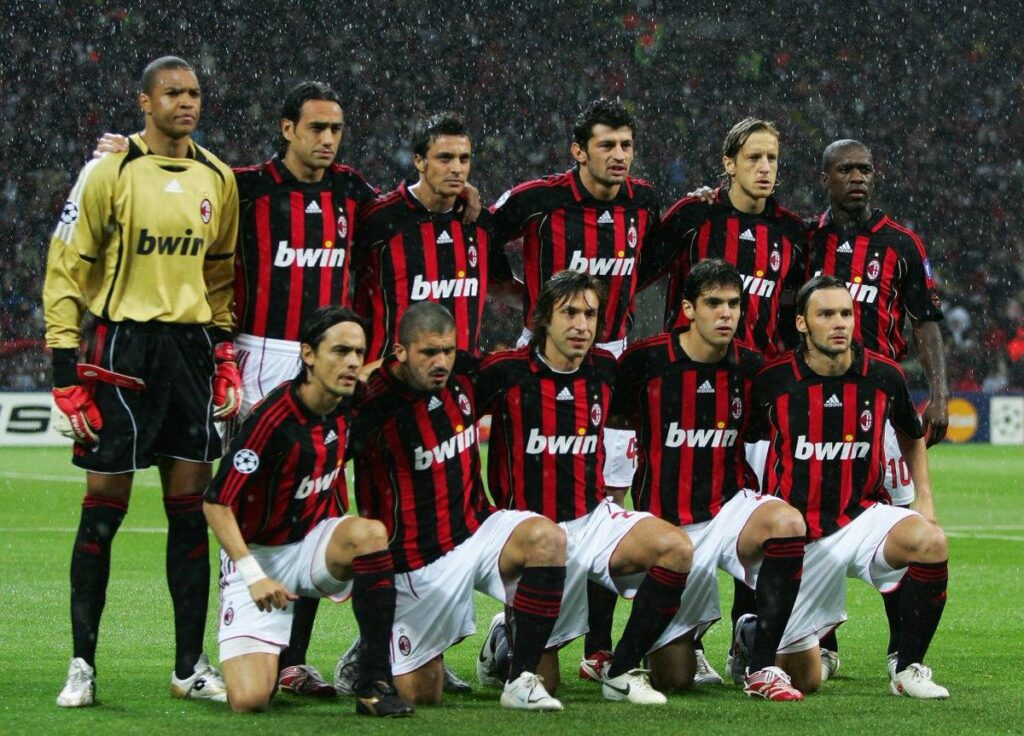
A football jersey is deeply connected to a club’s history and tradition. Many teams are fiercely protective of their classic designs and colors. For instance, FC Barcelona’s blue and red stripes, AC Milan’s red and black, and Brazil’s yellow jersey are more than aesthetic choices—they represent decades of success, struggle, and emotion.
Changes to a jersey can sometimes cause controversy. Fans often react strongly if a club alters traditional colors or patterns too drastically. This emotional attachment shows how jerseys act as cultural artifacts. Wearing a jersey is not just supporting a team; it is participating in a shared history that spans generations.
National Team Jerseys and Patriotism
National team jerseys carry even deeper emotional weight. When players wear their country’s colors, they represent millions of people. These jerseys often incorporate national symbols such as flags, crests, or cultural motifs. During international tournaments like the FIFA World Cup or continental championships, national jerseys become symbols of unity and pride.
For fans, wearing a national jersey can feel like wearing the nation itself. Streets fill with colors during tournaments, and jerseys become tools of celebration and expression. The emotional value of these jerseys often outweighs club loyalties, highlighting football’s unique power to bring people together.
Evolution of Materials and Technology
Early football jerseys were made from thick cotton, which absorbed sweat and became heavy during matches. This made movement difficult and uncomfortable, especially in wet conditions. As sports science advanced, manufacturers began experimenting with lighter and more breathable materials.
Modern football jerseys are made from high-performance synthetic fabrics designed to enhance player comfort. These materials wick sweat away from the body, regulate temperature, and reduce weight. Some jerseys are engineered with mesh panels for ventilation and aerodynamic fits to improve movement. While the performance benefits may seem small, at the elite level even minor advantages matter.
Design, Fashion, and Aesthetics
Football jerseys are no longer confined to the pitch. They have become fashion items worn casually around the world. Designers now pay close attention to collar styles, sleeve cuts, patterns, and color gradients. Some jerseys draw inspiration from retro designs, while others adopt bold, modern aesthetics.
Collaborations between football clubs and fashion brands have further blurred the line between sport and style. Limited-edition jerseys and lifestyle collections appeal to younger audiences who may wear a jersey as a fashion statement rather than purely as sportswear. This evolution has transformed the football jersey into a global cultural product.
Sponsorship and Commercialization
The introduction of sponsors on football jerseys marked a major shift in the sport’s economy. Initially controversial, sponsorship logos are now an accepted and essential part of modern football. Shirt sponsorship deals generate massive revenue for clubs, helping fund player transfers, stadium development, and youth academies.
However, commercialization has also sparked debates. Some fans feel that excessive branding detracts from a jersey’s traditional beauty. Balancing commercial needs with heritage remains a challenge for clubs and manufacturers alike.
Replica Jerseys and Fan Culture
Replica jerseys allow fans to feel closer to their teams and players. Owning a jersey can create a sense of belonging and loyalty. Fans often associate jerseys with memorable moments—goals, victories, or historic seasons. Over time, a jersey can become a personal memory rather than just clothing.
Supporters also customize jerseys with names, numbers, and patches, making each piece unique. Collecting jerseys has become a hobby for many fans, with rare or vintage shirts valued highly. This culture highlights how deeply football jerseys are embedded in fan identity.
Ethical and Environmental Concerns
As production increased, concerns emerged about the environmental and ethical impact of football jersey manufacturing. Many jerseys are produced in large quantities, raising issues related to labor conditions, waste, and sustainability. In response, some manufacturers have started using recycled materials and promoting eco-friendly practices.
Clubs and brands are increasingly aware that fans care not only about design but also about values. Sustainable jerseys represent a growing movement within football, aligning the sport with global environmental awareness.
Technology and Fan Interaction
Technology has also influenced football jerseys beyond materials. Some modern jerseys include QR codes or digital features that connect fans to online content. Augmented reality and interactive designs are being explored to enhance fan engagement.
This integration of digital elements reflects football’s adaptation to the modern world. Jerseys are no longer static objects; they are becoming gateways to digital experiences that connect clubs, players, and supporters.
Women’s Football and Jersey Design
The growth of women’s football has brought increased attention to jersey design for female athletes and fans. Historically, women often wore resized versions of men’s jerseys, which did not always provide the best fit or comfort. Today, manufacturers are investing in designs tailored specifically for women.
This shift is significant because it recognizes women’s football as a major part of the sport rather than a secondary version. Jerseys play a role in visibility, respect, and equality, making their design an important cultural statement.
Iconic Jerseys in Football History
Certain football jerseys have become legendary due to the moments associated with them. The Brazilian jersey worn during World Cup victories, the Netherlands’ orange kit symbolizing total football, and Argentina’s sky-blue and white stripes linked to historic triumphs are just a few examples.
These jerseys transcend time. Even decades later, fans recognize them instantly. They remind us that football jerseys are witnesses to history, carrying stories of joy, heartbreak, and achievement.
The Psychological Impact of Jerseys
Jerseys can also influence psychology. For players, wearing the club or national colors can boost confidence and motivation. The weight of history can inspire greater effort and focus. For opponents, facing a team in an iconic jersey can be intimidating.
For fans, jerseys create emotional connections. Wearing a jersey can strengthen loyalty and increase emotional investment in matches. This psychological impact shows that jerseys play a subtle but important role in the football experience.
Future of Football Jerseys
The future of football jerseys will likely combine tradition with innovation. Smart fabrics, enhanced sustainability, and deeper fan interaction are expected to shape upcoming designs. At the same time, clubs will continue to protect their visual identities and histories.
As football expands into new markets, jerseys will remain key tools for global recognition. Whether worn on the pitch, in the stands, or on the streets, the football jersey will continue to symbolize passion, unity, and the universal language of the game.
Conclusion
A football jersey is far more than a uniform. It is a symbol of history, identity, and emotion. From humble cotton shirts to advanced performance wear, jerseys have evolved alongside football itself. They connect players to clubs, fans to teams, and nations to their people. In every stitch and color, a football jersey tells a story—of where a team comes from, what it stands for, and why football means so much to so many.